
Finding the perfect pair of wireless earbuds can be a challenge, especially if you have smaller ears. Many earbuds are designed with a ‘one size fits all’ approach, which often leaves those with smaller ear canals struggling with discomfort, poor sound isolation, and the constant fear of them falling out. This guide will help you navigate the market and find the best wireless earbuds for a secure and comfortable fit in 2026.
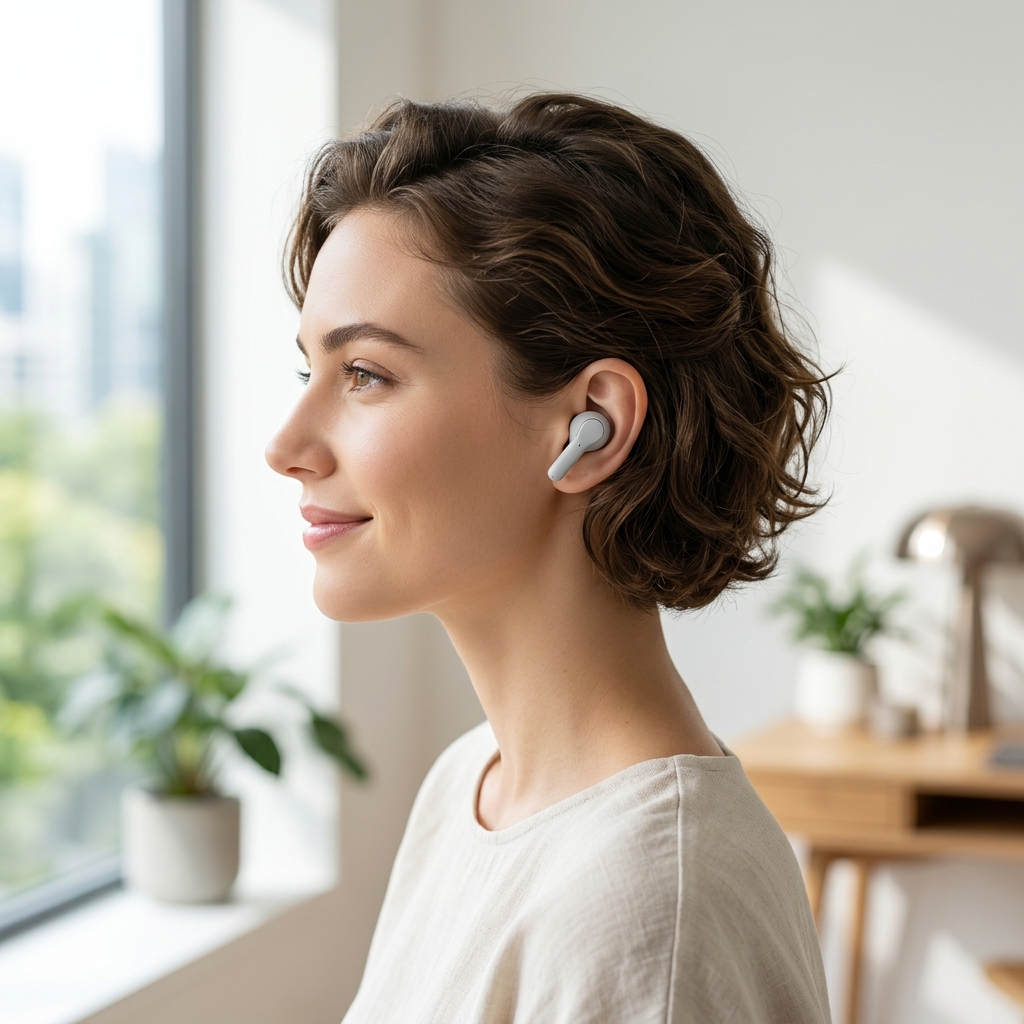
Table of Contents
Why Earbud Fit Matters (Especially for Small Ears)
A proper fit isn’t just about comfort; it’s fundamentally linked to the performance of your earbuds. A good seal creates a better acoustic chamber, enhancing bass response, clarity, and overall sound quality. It also improves noise isolation, blocking out external distractions and allowing you to fully immerse yourself in your music or calls.
For those with smaller ears, the challenges are amplified. Standard-sized eartips often feel too large and intrusive, causing discomfort after prolonged use. This can lead to ear fatigue and even pain. Furthermore, an inadequate seal compromises the audio experience and makes the earbuds more prone to slipping out during activity. The constant readjusting is frustrating and disruptive.
Understanding Earbud Anatomy & Fit Technologies
Let’s break down the key components affecting earbud fit:
- Eartips: The most crucial element. They come in various materials like silicone and foam, and multiple sizes.
- Nozzles: The part of the earbud that enters your ear canal. Shape and length affect comfort and seal.
- Wings/Fins: Designed to hook around the concha (outer ear) for added stability, particularly useful during exercise.
Several technologies enhance fit:
- In-Ear Detection: Pauses music when an earbud is removed. While not directly related to *fit*, it’s a convenience often found in well-designed earbuds.
- Eartip Materials: Silicone is common, durable, and easy to clean. Foam (like Comply foam) offers a superior seal and customisable fit by expanding to fill the ear canal.
- Ergonomic Design: Manufacturers are increasingly focusing on contoured shapes that better match the natural anatomy of the ear.
Top Wireless Earbuds for Small Ears (2026) – Our Picks
Here’s a selection of earbuds that consistently receive praise for their comfort and suitability for smaller ears:
Technics EAH-AZ80 (£249.99)
The Technics EAH-AZ80 stands out for its exceptional comfort and a wide range of included eartip sizes. The ergonomic design and lightweight build contribute to a secure and stable fit, even for those with smaller ears. Sound quality is superb, and the noise cancellation is amongst the best available.
- Pros: Excellent comfort, superior sound quality, effective noise cancellation, wide range of eartips.
- Cons: Relatively expensive, charging case is a little bulky.
Sony WF-1000XM6 (£279.99)
Sony continues to dominate the premium earbud market, and the WF-1000XM6 is no exception. While not *specifically* designed for small ears, the improved ergonomics and included small eartips make them a viable option. The sound quality and noise cancellation are industry-leading.
- Pros: Best-in-class noise cancellation, excellent sound quality, comfortable (with correct eartip), feature-rich.
- Cons: Highest price point, can feel a little large for very small ears even with the smallest tips.
OnePlus Buds 4 (£149.99)
The OnePlus Buds 4 provide a compelling balance of features and price. They offer a comfortable fit, thanks to a redesigned nozzle and a selection of eartips. Sound quality is competitive, and the noise cancellation is surprisingly effective for the price.
- Pros: Excellent value for money, comfortable fit, good sound quality, effective noise cancellation.
- Cons: Not as premium-feeling as more expensive models.
Soundcore Liberty 4 NC (£99.99)
Soundcore consistently delivers excellent value, and the Liberty 4 NC is a prime example. They include a generous selection of eartips, and the ergonomic design caters to a wide range of ear shapes. The noise cancellation is impressive, and the sound quality is clear and well-balanced.
- Pros: Incredible value, comfortable fit, excellent noise cancellation for the price, good sound quality.
- Cons: Build quality isn’t as refined as high-end options.
Jabra Elite 5 (£79.99)
The Jabra Elite 5 are known for their secure and comfortable fit. Their compact design and included small eartips make them a good choice for smaller ears. They offer solid sound quality and good noise cancellation.
- Pros: Secure fit, compact design, good sound quality, reliable connectivity.
- Cons: Noise cancellation isn’t as strong as premium models.
EarFun Free Pro 3 (£49.99)
A fantastic budget option, the EarFun Free Pro 3 offer surprising comfort and a secure fit, even for smaller ears. They come with multiple eartip sizes and boast a decent sound quality for their price point.
- Pros: Very affordable, surprisingly comfortable, secure fit, good sound for the price.
- Cons: Basic features, sound quality is not comparable to premium models.
Nothing Ear (a) (£89.99)
The Nothing Ear (a) provide a unique transparent design and a comfortable fit, thanks to their lightweight build and ergonomic shape. They offer a balanced sound signature and decent noise cancellation.
- Pros: Unique design, comfortable fit, good sound quality, stylish case.
- Cons: Noise cancellation isn’t class-leading.
Budget-Friendly Options: Wireless Earbuds Under £50
If you’re on a tight budget, several options still offer a reasonable fit for smaller ears. The EarFun Free Pro 3 (mentioned above) is an excellent starting point. Keep an eye out for sales on older models of established brands like Jabra and Soundcore, as they often offer great value.
Premium Picks: The Best Sound Quality for Small Ears (Over £100)
For those prioritising audio quality and advanced features, the Technics EAH-AZ80 and Sony WF-1000XM6 are the top contenders. While the initial investment is higher, the superior sound, noise cancellation, and comfort justify the price for audiophiles.
Tips for Getting the Perfect Fit
- Experiment with Eartip Sizes: Don’t settle for the default! Try all the included sizes to find the best seal.
- Consider Foam Eartips: Foam eartips mould to your ear canal for a more customisable and secure fit.
- Adjust Wings/Fins: If your earbuds have wings or fins, ensure they’re properly positioned to support the earbud without causing discomfort.
- Clean Your Earbuds Regularly: Wax and debris can build up on eartips, affecting the seal and hygiene.
- Troubleshooting: If you’re still struggling, try a different eartip material or consider aftermarket eartips designed for a better fit.
Future Trends in Earbud Fit (2026 & Beyond)
The future of earbud fit is exciting. We’re seeing developments in:
- Custom-Molded Earbuds: Increasingly affordable, allowing for a perfectly tailored fit.
- 3D-Printed Eartips: Offering ultimate customisation based on ear scans.
- Advanced Ergonomic Design: Manufacturers are leveraging biometric data and AI to create earbuds that naturally conform to the human ear.
- Adaptive Noise Cancellation: Better algorithms will dynamically adjust noise cancellation based on the earbud’s fit and seal.
FAQ
Q: What if none of the included eartips fit my ears?
Consider purchasing aftermarket eartips. Comply foam eartips are a popular choice, but there are many other options available online.
Q: Can I use one size eartip for one ear and another size for the other?
Absolutely! Ear canals aren’t always symmetrical. Don’t be afraid to mix and match eartip sizes for the best possible fit on each side.
Q: How often should I replace my eartips?
Silicone eartips should be replaced every 6-12 months, or when they become worn or damaged. Foam eartips typically last 3-6 months, depending on usage.
Q: Will earbuds with wings/fins work for small ears?
They can! Ensure the wings are properly positioned and don’t cause pressure. They can provide extra stability, but aren’t essential for everyone.
Q: Is a tighter fit always better?
Not necessarily. While a good seal is important, a fit that’s *too* tight can cause discomfort and ear fatigue. Prioritise comfort alongside a secure fit.