Table of Contents
Introduction: The Headphone Heavyweights
For decades, Sony and Bose have been the titans of the headphone world. Both brands consistently deliver high-quality audio experiences, pushing the boundaries of noise cancellation, sound fidelity, and comfort. Choosing between them can be a difficult decision, as both cater to a wide range of needs and budgets. This comprehensive guide will break down the 2026 offerings from each brand, helping you determine which reigns supreme for your listening experience. The perfect headphones depend on your individual priorities – whether you’re a music enthusiast, a frequent traveller, or simply seeking peace and quiet on your commute.
Sony Headphones: A Deep Dive (2026 Range)
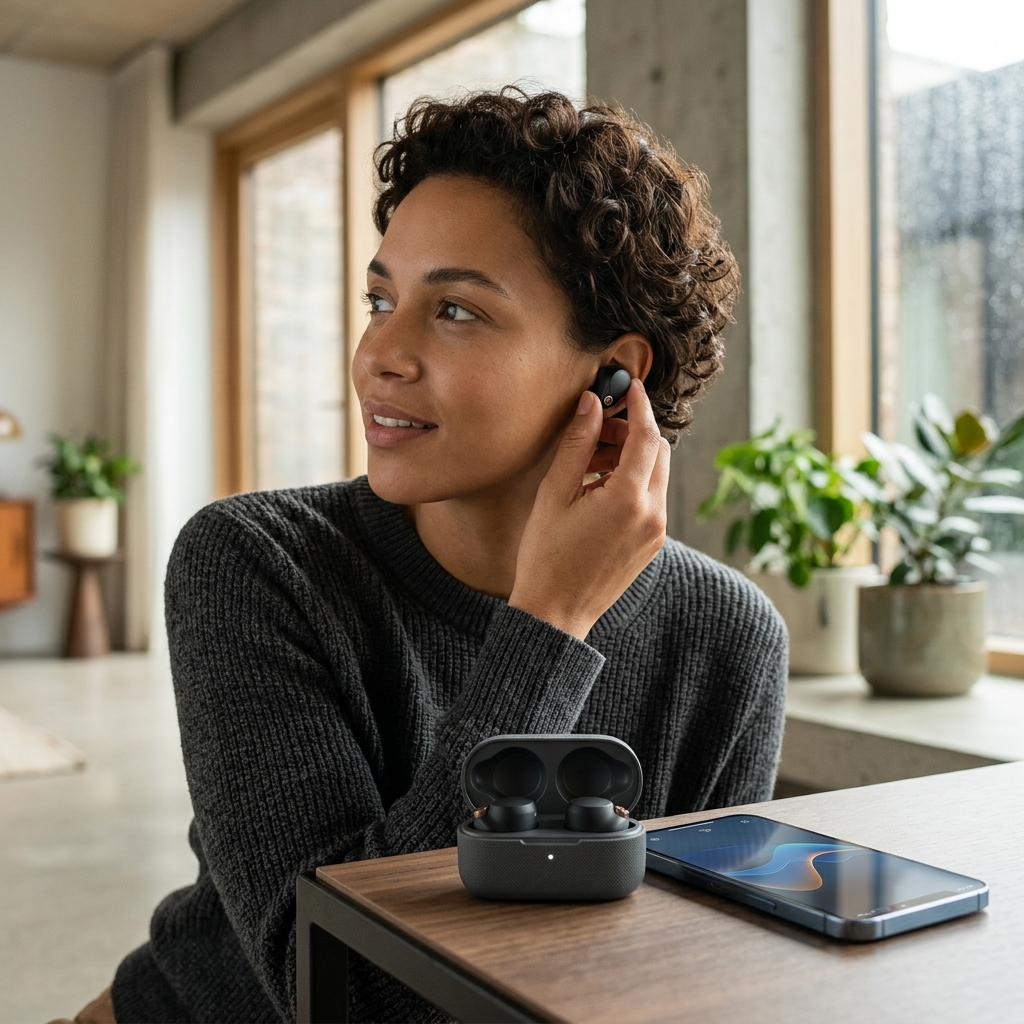
Sony’s 2026 headphone lineup continues to impress with its technological prowess. The flagship WH-1000XM7 (£379) builds upon the legacy of its predecessors, offering even more refined noise cancellation and improved sound quality. The WF-1000XM7 (£259) true wireless earbuds are similarly advanced, packing a powerful punch in a compact form factor. Sony also offers the innovative SRS-NS7 (£229) neckband headphones, designed for immersive, personal audio. A key strength for Sony is their commitment to incorporating cutting-edge technology like LDAC for high-resolution audio streaming and DSEE Extreme for upscaling compressed audio files.
Bose Headphones: A Deep Dive (2026 Range)
Bose has long been synonymous with exceptional noise cancellation and all-day comfort. In 2026, the QuietComfort Ultra Headphones (£429) represent the pinnacle of their over-ear technology, boasting even more effective noise blocking and a sophisticated design. The QuietComfort Earbuds III (£289) continue to raise the bar for true wireless noise cancellation, providing a truly immersive listening experience. For the fitness-focused, the Bose Sport Earbuds (£189) offer a secure fit and sweat-resistant design. Bose prioritises a balanced and natural sound signature, alongside intuitive controls and effortless user experience.
Sound Quality: Sony’s Detail vs Bose’s Balance
Sony generally delivers a more detailed and analytical sound signature. You’ll notice greater clarity in the higher frequencies and a wider soundstage, particularly when listening to complex orchestral pieces or intricately produced electronic music. However, this can sometimes be perceived as slightly clinical by some listeners. Bose, on the other hand, prioritises a balanced and natural sound profile. Their headphones offer a warmer, more inviting sound that’s particularly enjoyable for genres like pop, rock, and acoustic music. The difference isn’t about one being ‘better’ – it’s about preference. If you crave dissecting every layer of a track, Sony is your bet. If you want a pleasing, immersive experience, Bose excels.
Noise Cancellation: The Ultimate Test
Both Sony and Bose are masters of noise cancellation, but their approaches differ. Sony’s noise cancellation is incredibly powerful, particularly at blocking out low-frequency rumble like engine noise on planes or trains. They utilise a sophisticated algorithm that adapts to your environment in real-time. Bose excels at cancelling out a wider range of frequencies, including higher-pitched chatter and office distractions. The QuietComfort Ultra’s immersive spatial audio and noise cancellation blending is particularly impressive. In 2026, the difference is subtle, but Bose consistently scores slightly higher in independent tests for consistent, broad-spectrum noise reduction.
Comfort & Design: All-Day Wearability
Bose consistently receives high marks for comfort. Their headphones are often lighter and feature plush earcups designed for extended wear. The clamping force is typically gentler, making them ideal for long flights or workdays. Sony’s headphones, while comfortable, can sometimes feel slightly tighter. However, Sony have improved ergonomics in the XM7, with a lighter headband and softer earcups. Design-wise, Sony tends to embrace a more modern and sleek aesthetic, while Bose often favours a more understated and classic look.
Features & Technology: Smart Functionality
Both brands are packed with smart features. Both support voice assistants (Alexa and Google Assistant), touch controls, and multipoint pairing (connecting to two devices simultaneously). Sony’s 2026 models feature an improved Speak-to-Chat function and enhanced spatial audio capabilities. Bose’s CustomTune technology adapts the sound to your unique ear shape for a personalised listening experience. Wear detection is standard on both over-ear and in-ear models. The SRS-NS7 from Sony, with its spatial audio, is a unique offering in this space.
Price Comparison: Value for Money in the UK (2026)
| Model | Brand | Price (GBP) |
|---|---|---|
| WH-1000XM7 | Sony | £379 |
| WF-1000XM7 | Sony | £259 |
| QuietComfort Ultra Headphones | Bose | £429 |
| QuietComfort Earbuds III | Bose | £289 |
| SRS-NS7 | Sony | £229 |
| Sport Earbuds | Bose | £189 |
Sony vs Bose: Model-Specific Showdowns
Sony WH-1000XM7 vs Bose QuietComfort Ultra Headphones
Sony WH-1000XM7:
- Pros: More detailed sound, slightly better low-frequency noise cancellation, LDAC support.
- Cons: Can feel tighter on the head, higher price.
Bose QuietComfort Ultra Headphones:
- Pros: Superior comfort, wider-range noise cancellation, immersive spatial audio.
- Cons: Sound is less analytically detailed than Sony, slightly more expensive.
Sony WF-1000XM7 vs Bose QuietComfort Earbuds III
Sony WF-1000XM7:
- Pros: More compact design, excellent sound quality for earbuds, strong noise cancellation.
- Cons: Battery life slightly shorter than Bose.
Bose QuietComfort Earbuds III:
- Pros: Exceptional noise cancellation, comfortable and secure fit, longer battery life.
- Cons: Larger size, can be less discreet.
Our Top Pick (2026)
For All-Round Excellence: Bose QuietComfort Ultra Headphones While Sony offers incredible technology, Bose’s combination of comfort, noise cancellation, and a pleasing sound signature makes the QuietComfort Ultra Headphones our top pick for most users in 2026.
For Sound Purists: Sony WH-1000XM7 If you prioritise detailed sound and are willing to compromise slightly on comfort, the Sony WH-1000XM7 are an excellent choice.
Which Brand Should You Choose? (2026)
Music Lovers: Sony, for their detailed and analytical sound signature, allowing you to appreciate every nuance of your favourite tracks.
Commuters & Travellers: Bose, for their industry-leading noise cancellation and all-day comfort, making long journeys more enjoyable.
Fitness Enthusiasts: Bose Sport Earbuds, for their secure fit and sweat-resistant design.
Those Prioritising Comfort: Bose, without question. Their focus on ergonomic design makes them ideal for extended listening sessions.
Ultimately, both Sony and Bose offer exceptional headphones. Consider your individual needs and preferences, and choose the brand that best aligns with your priorities.
Where to Buy Sony and Bose Headphones in the UK
- John Lewis: https://www.johnlewis.com/
- Currys: https://www.currys.co.uk/
- Amazon UK: https://www.amazon.co.uk/
- Direct from Sony: https://www.sony.co.uk/
- Direct from Bose: https://www.bose.co.uk/
FAQ
1. Are Sony headphones better for bass?
While both brands deliver good bass response, Sony typically offers a more pronounced and impactful bass, particularly in their over-ear models. Bose tends to favour a more balanced bass output.
2. Which brand is more durable?
Both Sony and Bose headphones are well-built, but Bose generally have a reputation for slightly better long-term durability, particularly in their noise cancellation mechanisms.
3. Do Bose headphones work better with Apple devices?
Both brands work seamlessly with Apple devices. However, Bose recently introduced enhanced integration with Apple’s Spatial Audio ecosystem giving a slight edge for Apple users.
4. Are the Sony SRS-NS7 worth the investment?
The Sony SRS-NS7 are a niche product, offering a unique immersive experience. If you frequently consume spatial audio content and want a personal, wireless listening experience without fully enclosing your ears, they’re worth considering.
5. How has noise cancellation improved in 2026 models?
2026 models from both brands now feature more sophisticated adaptive noise cancellation algorithms that dynamically adjust to a wider range of frequencies and environmental factors. Bose’s CustomTune technology personalises the noise cancellation based on your ear shape. Sony has improved its processing power for faster and more accurate noise reduction.