
Table of Contents
As an Amazon Associate, we earn from qualifying purchases. This means we may receive a small commission at no extra cost to you when you buy through links on this page.
Why Battery Life Matters in Headphones
In 2026, our lives are more mobile than ever. Whether you’re a daily commuter battling the Northern Line, a frequent traveller crossing continents, or a gym-goer pushing your limits, headphones are an essential companion. And a dead battery is the last thing you need to interrupt your flow. Long battery life ensures uninterrupted listening, whether it’s podcasts, music, or audiobooks. It’s particularly crucial for long-haul flights or extended workdays.
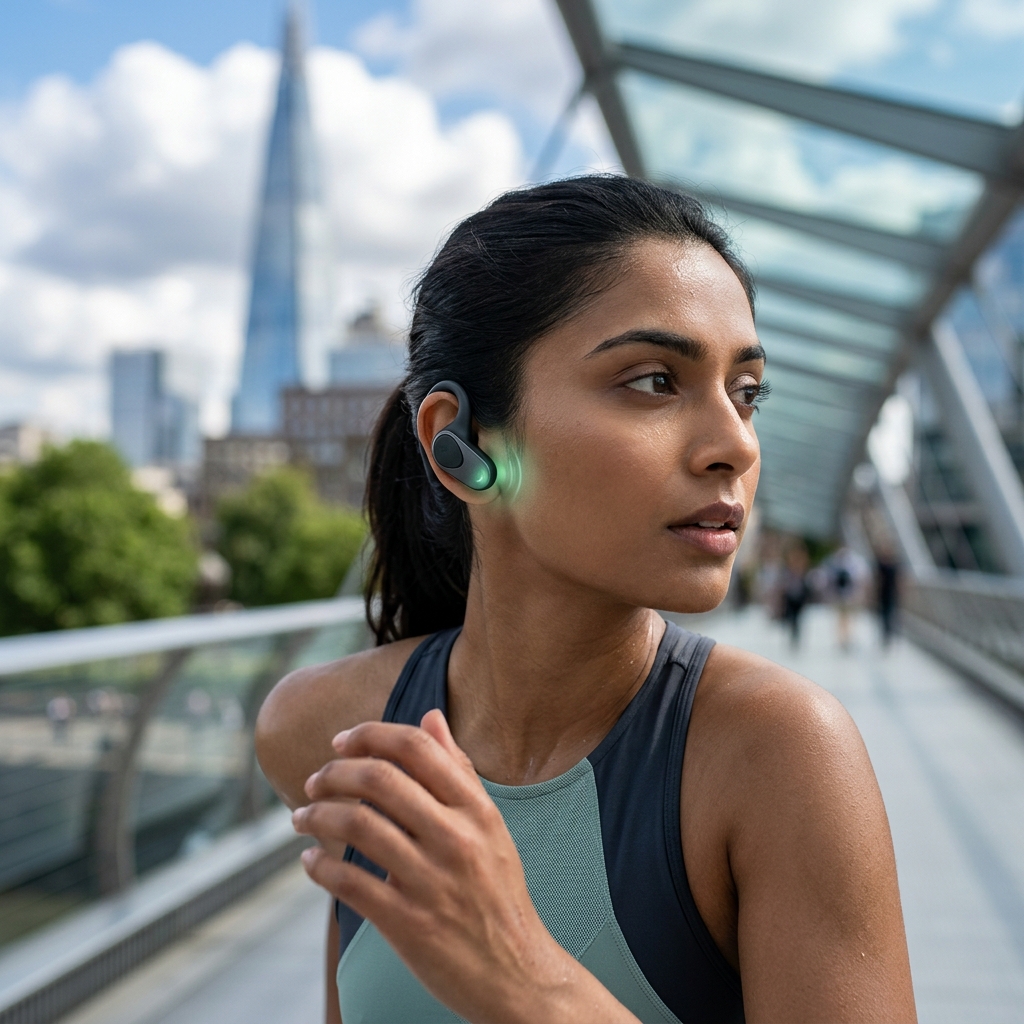
The codecs your headphones use also play a role. More advanced codecs like LDAC and aptX Adaptive offer superior audio quality, but they generally consume more power than standard SBC. Similarly, active noise cancellation (ANC), while fantastic for blocking out distractions, significantly impacts battery performance. Therefore, finding the right balance between features and battery life is key.
Understanding Headphone Battery Specifications
Headphone manufacturers advertise battery life in various ways, often quoting numbers like “up to 8 hours of playback” or “30 hours with the charging case.” It’s important to understand that these are often optimistic estimates. Actual battery performance depends heavily on several factors:
- Volume Level: Higher volumes drain the battery faster.
- Features Used: ANC, ambient sound mode, and spatial audio all consume power.
- Codec Used: As mentioned earlier, advanced codecs use more energy.
- Bluetooth Version: Newer Bluetooth versions (like Bluetooth 5.4, common in 2026) are generally more energy-efficient.
- Environmental Temperature: Extreme temperatures can affect battery performance.
Pay attention to the charging case capacity for earbuds. A case with a larger battery can provide multiple full charges, significantly extending your overall listening time. Also, look for charging case compatibility with wireless charging pads for added convenience.
Top Earbuds with Exceptional Battery Life (2026)
Here are some of the leading earbuds in 2026 that excel in battery performance:
Sony WF-1000XM6 – £279.99
The Sony WF-1000XM6 continues Sony’s dominance in the noise-cancelling earbud space. They boast up to 10 hours of playback with ANC off, and 6 hours with ANC on. The charging case provides an additional 24 hours of playback, bringing the total to 34 hours. They also support fast charging – 3 minutes of charging gives you an hour of listening.
Pros:
- Industry-leading noise cancellation
- Excellent sound quality
- Comfortable fit
- Long battery life
Cons:
- Premium price point
- Some users may find the touch controls overly sensitive
Bose QuietComfort Earbuds III – £299.00
Bose’s latest offering, the QuietComfort Earbuds III, deliver exceptional noise cancellation and impressive battery life. You can expect around 8 hours of playback with ANC enabled, and the charging case provides an additional 24 hours. Bose has improved the fast charging capabilities, giving you 2 hours of playtime from a 15-minute charge.
Pros:
- World-class noise cancellation
- Clear and balanced sound
- Secure and comfortable fit
- Improved fast charging
Cons:
- Higher price than some competitors
- Case is slightly larger than some other options
Technics EAH-AZ80 – £249.99
The Technics EAH-AZ80 offers a compelling blend of features and battery life at a slightly more accessible price. They provide up to 7 hours of playback with ANC on, and the charging case extends this to 25 hours. Technics has really focused on call quality with these, and they perform admirably in noisy environments.
Pros:
- Excellent value for money
- Strong call quality
- Good noise cancellation
- Comfortable fit
Cons:
- ANC isn’t quite as effective as Sony or Bose
- Sound profile may be less detailed for some listeners
Top Over-Ear Headphones with Extended Battery Life (2026)
Sennheiser Momentum 4 Wireless – £299.99
The Sennheiser Momentum 4 Wireless delivers a premium listening experience with phenomenal battery life. These headphones provide up to 60 hours of playback on a single charge, making them ideal for long flights or extended work sessions. A quick 5-minute charge gives you 4 hours of listening time.
Pros:
- Exceptional battery life
- Superb sound quality
- Comfortable earcups
- Adaptive noise cancellation
Cons:
- Foldable design is less compact than some competitors
- Pricey
Apple AirPods Max (2026 Edition) – £549.00
While a significant investment, the 2026 edition of the AirPods Max boasts improved battery life over earlier models, now offering up to 40 hours with ANC enabled. The Smart Case puts the headphones into an ultra-low power mode, preserving battery when not in use. A 10-minute charge provides 5 hours of listening.
Pros:
- Excellent sound quality
- Top-tier noise cancellation
- Seamless integration with Apple devices
- Improved battery life (2026 edition)
Cons:
- Very expensive
- Smart Case doesn’t offer full protection
Headphones with Quick Charging Capabilities
For those times when you’re caught short, quick charging can be a lifesaver. The Sony WF-1000XM6 (3 minutes = 1 hour), Bose QuietComfort Earbuds III (15 minutes = 2 hours), Sennheiser Momentum 4 Wireless (5 minutes = 4 hours) and Apple AirPods Max (10 minutes = 5 hours) all offer impressive fast charging features.
Battery Life vs. Other Headphone Features: Finding the Balance
Long battery life isn’t everything. You may need to compromise on other features to achieve it. For example, headphones with more advanced noise cancellation often have shorter battery life. Similarly, features like spatial audio and high-resolution audio codecs can also impact battery performance. Consider your priorities: if you prioritize battery life above all else, you might choose a model with less aggressive ANC. If sound quality is paramount, you might be willing to accept shorter battery life.
Tips to Maximize Headphone Battery Life
- Reduce Volume: Lowering the volume significantly extends battery life.
- Disable ANC When Not Needed: Turn off noise cancellation in quiet environments.
- Use Standard Bluetooth Codec: If sound quality isn’t critical, switch to the SBC codec.
- Store Headphones Properly: Avoid extreme temperatures and humidity.
- Keep Firmware Updated: Manufacturers often release firmware updates that improve battery efficiency.
Future of Headphone Battery Technology
The future of headphone battery technology is exciting. Solid-state batteries are emerging as a promising alternative to traditional lithium-ion batteries. They offer higher energy density, faster charging times, and improved safety. We’re also seeing advancements in energy-efficient codecs and chip designs that will further extend battery life. By 2030, we can expect to see headphones with significantly longer battery life and faster charging capabilities.
Frequently Asked Questions (FAQs)
Q: How does noise cancellation affect battery life?
Active noise cancellation requires continuous power to analyze and cancel out ambient noise. This significantly reduces battery life, typically by 20-50%, depending on the headphones.
Q: Can I extend my headphone’s battery life by turning off Bluetooth when not in use?
Yes, absolutely. Even when not actively playing audio, Bluetooth remains active in the background. Turning it off when not needed will conserve power.
Q: What is the lifespan of a headphone battery?
Most headphone batteries have a lifespan of around 300-500 charge cycles before noticeable degradation occurs. After that, you may experience reduced battery capacity.
Q: Is it okay to leave my headphones charging overnight?
Most modern headphones have overcharge protection, so leaving them charging overnight shouldn’t cause damage. However, it’s generally best practice to unplug them once they’re fully charged to maximize battery lifespan.
Q: What is fast charging and how does it work?
Fast charging utilizes higher voltage to quickly replenish the battery. Headphones with fast charging can gain several hours of playtime from just a few minutes of charging, using technologies like USB Power Delivery (USB-PD).