Table of Contents
As an Amazon Associate, we earn from qualifying purchases. This means we may receive a small commission at no extra cost to you when you buy through links on this page.
Why Choose Running Earbuds with Heart Rate Monitoring?
For runners in 2026, integrated heart rate monitoring in earbuds is becoming increasingly popular, and for good reason. It offers a convenient, all-in-one solution for tracking your fitness, optimising your training zones, and improving your overall running performance. Unlike traditional chest straps, earbuds eliminate the discomfort some runners experience and offer a far more streamlined experience. You can monitor your exertion levels in real-time, ensuring you’re pushing yourself hard enough to see gains, but not so hard that you risk injury.
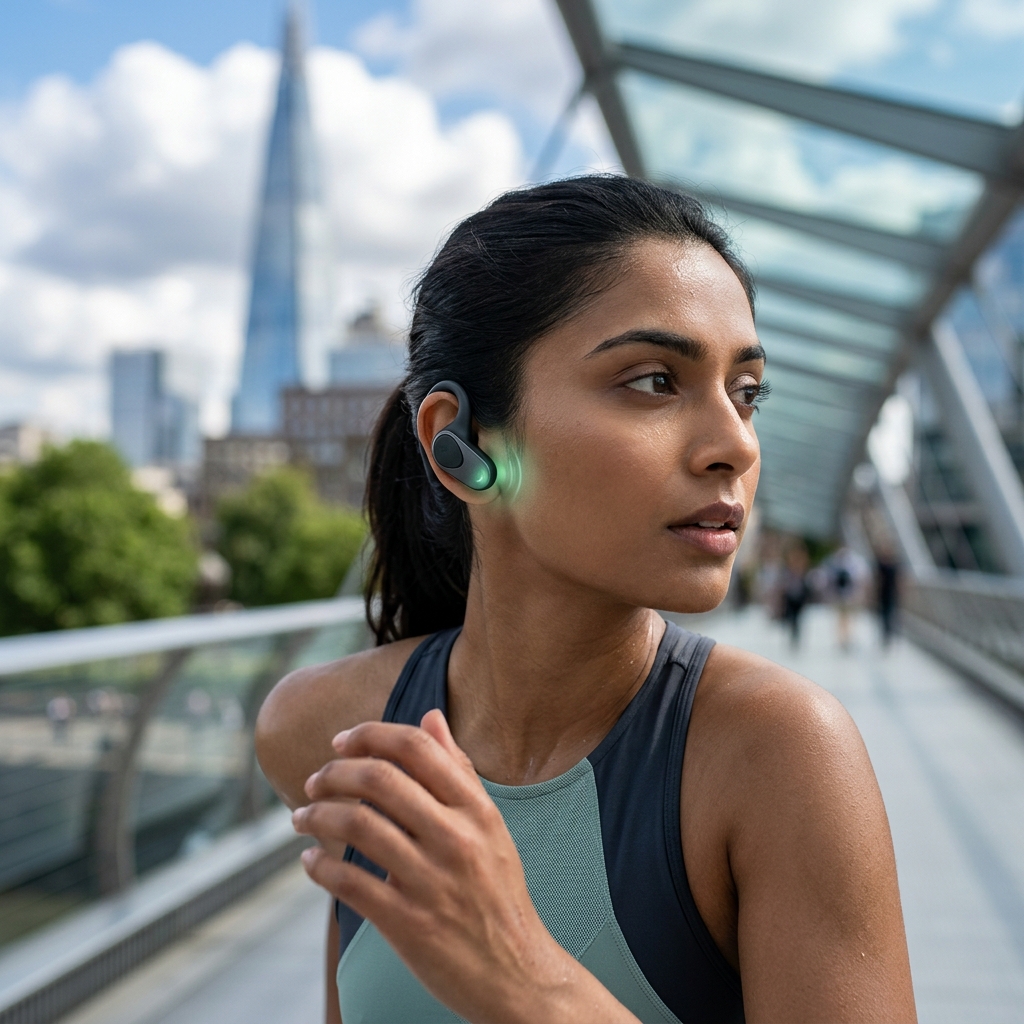
While chest straps are generally considered the ‘gold standard’ for accuracy, advancements in optical heart rate sensor technology are narrowing the gap. Earbud sensors use photoplethysmography (PPG) to detect blood flow, which can be affected by movement and skin tone. However, modern algorithms and improved sensor design are providing increasingly reliable data, especially for steady-state running.
What to Look for in Running Earbuds with Heart Rate (2026)
Choosing the right running earbuds with heart rate monitoring requires careful consideration. Here’s a breakdown of key features:
- Heart Rate Sensor Accuracy: Look for models with proven accuracy in independent tests. Read reviews carefully, paying attention to reports on performance during varying intensities.
- Fit & Comfort: Crucial for both sound quality and heart rate accuracy. Earbuds should come with multiple ear tip sizes and wingtips for a secure, comfortable fit that doesn’t move during runs.
- Sweat/Water Resistance: Essential! An IPX4 rating is a minimum for running – this means they can withstand splashes of sweat. IPX7 or higher offers more robust protection against heavier sweat or even rain.
- Battery Life: Consider how long your typical runs are. A minimum of 6 hours of playtime with heart rate monitoring enabled is recommended. Charging cases providing multiple charges are a bonus.
- Sound Quality: Music can be a powerful motivator. Look for earbuds with a balanced sound signature and decent bass response.
- Connectivity: Bluetooth 5.3 is the current standard in 2026, offering a stable connection and low latency. Support for advanced codecs like aptX Adaptive can enhance sound quality.
- Additional Features: Ambient sound mode (allowing you to hear your surroundings) is a safety feature. Integrated voice assistants and customisable EQ settings are also desirable.
Top 5 Running Earbuds with Heart Rate – 2026 Reviews
1. Jabra Elite 8 Active (GBP 229.99)
The Jabra Elite 8 Active are a top contender, offering a superb combination of durability, comfort, and accurate heart rate tracking. ShakeGrip™ coating ensures a secure fit even during intense workouts. The sound quality is excellent, with customizable EQ settings via the Jabra Sound+ app.
- Pros: Excellent fit, durable build, accurate heart rate monitoring, great sound quality, long battery life (8 hours with HR monitoring).
- Cons: Pricey, some users find the ShakeGrip coating slightly sticky.
Target Runner: All levels, particularly those who prioritize a secure fit and durability.
2. Beats Fit Pro (GBP 219.99)
Beats Fit Pro continues to be a popular choice, thanks to its secure wingtip design and powerful sound. Apple’s H1 chip provides seamless connectivity with Apple devices. Heart rate monitoring is reliable, and the noise cancellation is effective for blocking out distractions.
- Pros: Secure fit, excellent sound quality, effective noise cancellation, seamless Apple integration, good battery life (7 hours with HR monitoring).
- Cons: Best experience with Apple devices, heart rate accuracy can be slightly less consistent than Jabra.
Target Runner: Apple users, those who enjoy bass-heavy sound.
3. Jaybird Vista 3 (GBP 199.99)
The Jaybird Vista 3 is designed specifically for athletes. It’s rugged, waterproof (IP68 rated) and provides a secure fit. The heart rate sensor performs well during high-intensity workouts, and the Jaybird app offers customizable EQ settings and activity tracking.
- Pros: Extremely durable, fully waterproof, secure fit, good heart rate accuracy during intense workouts, customizable EQ.
- Cons: Sound quality is good, but not as refined as Jabra or Beats, battery life is shorter (6 hours with HR monitoring).
Target Runner: Trail runners, athletes who need a rugged and waterproof option.
4. Powerbeats Pro (GBP 249.99)
Powerbeats Pro remains a solid choice for runners, offering a comfortable earhook design and long battery life. The sound quality is powerful, and the H1 chip provides seamless connectivity with Apple devices. Heart rate monitoring is adequate for general fitness tracking.
- Pros: Long battery life (9 hours with HR monitoring), comfortable earhook design, powerful sound, good connectivity with Apple devices.
- Cons: Earhooks may not suit all ear shapes, heart rate accuracy is not as high as newer models.
Target Runner: Runners who prefer earhooks, those who need extended battery life.
5. Sony WF-SP800N (GBP 179.99)
The Sony WF-SP800N delivers excellent value for money. It offers good sound quality, effective noise cancellation, and reliable heart rate monitoring. The secure fit and IP55 water resistance make it suitable for most running conditions.
- Pros: Affordable price, good sound quality, effective noise cancellation, secure fit, decent battery life (6.5 hours with HR monitoring).
- Cons: Heart rate accuracy is average, less premium build quality compared to Jabra or Beats.
Target Runner: Budget-conscious runners, those who prioritize noise cancellation.
Comparison Table: Running Earbuds with Heart Rate (2026)
| Model | Price (GBP) | Battery Life (with HR) | Water Resistance | Heart Rate Accuracy | Sound Quality | Connectivity |
|---|---|---|---|---|---|---|
| Jabra Elite 8 Active | 229.99 | 8 hours | IP57 | Excellent | Excellent | Bluetooth 5.3 |
| Beats Fit Pro | 219.99 | 7 hours | IPX4 | Good | Excellent | Apple H1 Chip |
| Jaybird Vista 3 | 199.99 | 6 hours | IP68 | Good | Good | Bluetooth 5.2 |
| Powerbeats Pro | 249.99 | 9 hours | IPX4 | Average | Powerful | Apple H1 Chip |
| Sony WF-SP800N | 179.99 | 6.5 hours | IP55 | Average | Good | Bluetooth 5.2 |
Heart Rate Accuracy: What to Expect & How to Improve It
Optical heart rate sensors, while improving, aren’t perfect. Factors like skin tone (darker skin tones can sometimes be less accurate), fit (a loose fit introduces movement artefacts), and movement (high-intensity intervals or arm swings) can affect readings. To improve accuracy:
- Ensure a Secure Fit: Experiment with different ear tip sizes to achieve a snug, stable fit.
- Clean the Sensors: Regularly wipe the sensors with a soft, dry cloth.
- Position Correctly: Ensure the earbuds are seated properly in your ear canal.
- Consider Skin Tone: If you have darker skin, be aware that readings might be slightly less accurate.
Alternative Options: Bone Conduction vs. Traditional Earbuds
Bone conduction headphones, like those from Shokz, offer an alternative approach. They transmit sound through the cheekbones, leaving your ear canals open.
- Bone Conduction Pros: Situational awareness (you can hear your surroundings), comfortable for long periods, don’t block ear canals.
- Bone Conduction Cons: Sound quality is generally lower than traditional earbuds, heart rate accuracy can be less reliable due to sensor placement, can feel ‘vibrating’ at higher volumes.
For runners prioritising situational awareness, bone conduction can be a good option. However, for those focused on sound quality and heart rate accuracy, traditional earbuds are generally preferred.
Frequently Asked Questions (FAQs)
Q: Are these earbuds compatible with popular running apps like Strava and Nike Run Club?
Yes, most of these earbuds connect to smartphones via Bluetooth and will seamlessly integrate with popular running apps. Data from the heart rate sensor can be synced to these apps for detailed performance analysis.
Q: What is the warranty information for these earbuds?
Warranty periods vary by manufacturer. Jabra, Beats, Jaybird, Sony and Powerbeats Pro generally offer a 1-2 year warranty against manufacturing defects. Check the manufacturer’s website for specific details.
Q: My earbuds keep disconnecting during my run. What can I do?
Ensure your smartphone is within Bluetooth range. Interference from other devices can also cause disconnects. Try resetting the earbuds and your phone’s Bluetooth connection. Updating the earbud’s firmware via the companion app can also resolve connectivity issues.
Q: Can I use these earbuds for swimming?
While some models are water-resistant, very few are suitable for swimming. The Jaybird Vista 3 with its IP68 rating is a notable exception. Check the specific IP rating of the earbuds before taking them for a swim.
Q: How do I clean my running earbuds?
Use a soft, dry cloth to wipe down the earbuds after each use. Avoid using harsh chemicals or immersing them in water (unless they are specifically designed for swimming). For ear tips, gently wash them with mild soap and water and allow them to dry completely before reattaching.