Table of Contents
Why the Right Headphones Matter for Podcasting
Podcasting, whether a hobby or a profession, demands quality audio. While a great microphone is crucial, the headphones you use are equally important. They’re not just for listening to your final product; they’re vital for monitoring your audio during recording. Accurate monitoring prevents clipping, ensures consistent levels, and helps you catch unwanted noises – like mouth clicks or background distractions – in real-time. Poor headphones can lead to feedback loops during live recordings or interviews, ruining the take. Ultimately, the right headphones contribute significantly to a polished, professional-sounding podcast.
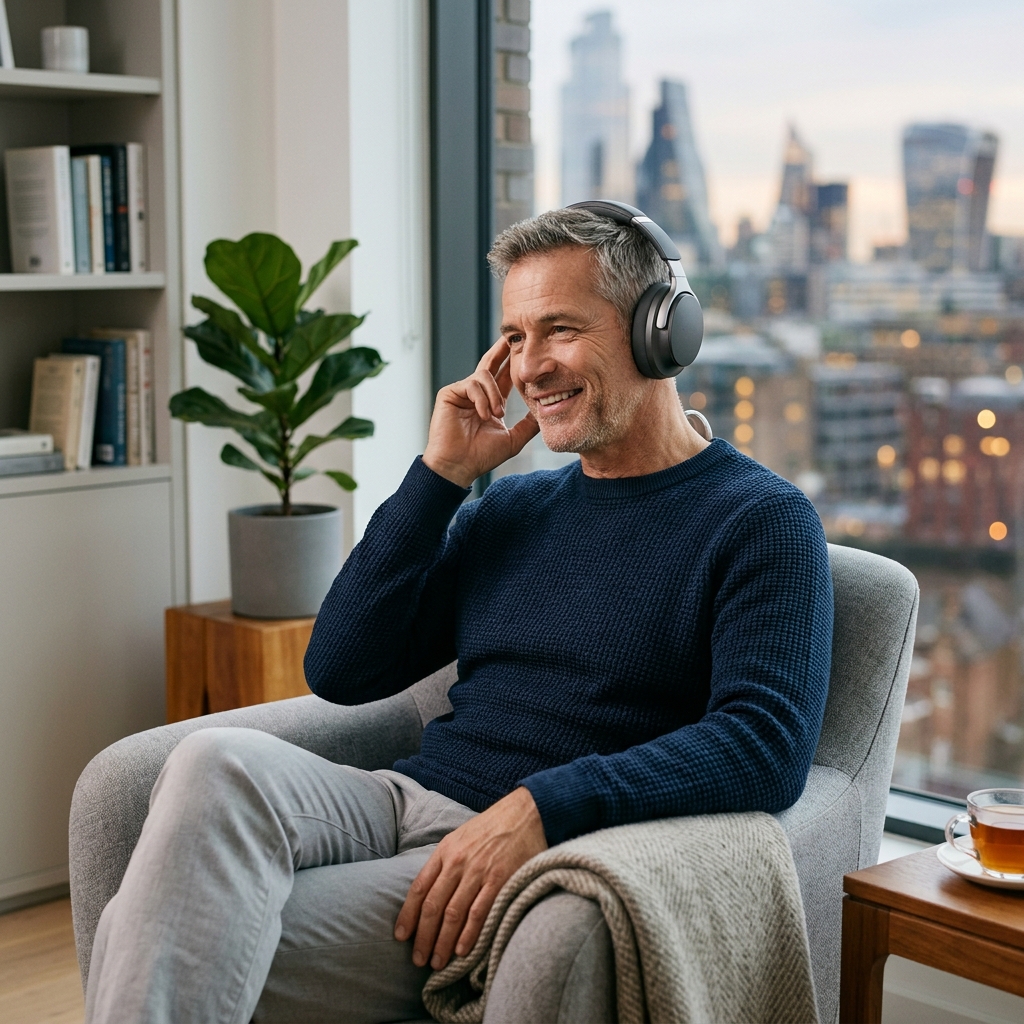
The core choice lies between closed-back and open-back headphones. Closed-back headphones isolate sound, preventing audio leakage both ways. They’re ideal for recording in less-than-ideal environments, as they minimise bleed into the microphone. Open-back headphones offer a wider soundstage and more natural audio reproduction, but they leak sound, making them better suited for quiet, treated studio environments. For most podcasters, especially those not in professional studios, closed-back headphones are the safer bet.
Key Features to Look for in Podcasting Headphones (2026)
In 2026, headphone technology has advanced, so knowing what to look for is key. Here’s a breakdown of essential features:
- Frequency Response: A wider, flatter frequency response (20Hz – 20kHz is standard, but look for accuracy within that range) ensures you hear all nuances of your voice and guest’s.
- Impedance: Lower impedance (32 ohms or less) headphones are easier to drive with portable devices. Higher impedance (above 80 ohms) often requires a dedicated headphone amplifier for optimal performance.
- Wired vs. Wireless (Bluetooth 6.0): Bluetooth 6.0 has significantly improved latency, making wireless headphones a viable option for podcasting. However, a stable, low-latency connection is paramount.
- Noise Isolation/Cancellation: Crucial for noisy environments. Noise cancellation actively blocks out ambient sounds, while isolation relies on the physical design of the headphones.
- Comfort: Podcasting sessions can be long. Look for comfortable earcups and a well-padded headband.
- Microphone Compatibility/Quality: Some headphones include built-in microphones. While convenient, these are generally not as good as a dedicated microphone. Focus on headphone compatibility with your existing microphone setup.
Top Wired Headphones for Podcasting (2026)
Beyerdynamic DT 770 Pro (£180)
A studio staple, the DT 770 Pro delivers exceptional clarity and accurate sound reproduction. Its closed-back design provides excellent isolation. Comfortable for extended wear, though perhaps a little tight for some. Requires a decent audio interface for best results.
- Pros: Excellent sound quality, great isolation, durable build.
- Cons: Can be tight-fitting, requires a good audio interface.
Sennheiser HD 280 Pro (£100)
A popular choice for budget-conscious podcasters, the HD 280 Pro offers a reliable and accurate sound. It’s also a closed-back design, offering good isolation. While not as refined as the DT 770 Pro, it provides excellent value for money.
- Pros: Affordable, good isolation, reliable performance.
- Cons: Less comfortable than premium options, soundstage is somewhat narrow.
Rode NTH-100 (£150)
Rode’s first foray into headphones, the NTH-100 provides a neutral and detailed sound signature, making it ideal for critical listening. Excellent build quality and comfortable earcups. A strong contender in its price range.
- Pros: Neutral sound, comfortable, robust build quality.
- Cons: May lack some of the “fun” sound signature preferred by some.
Top Wireless Headphones for Podcasting (2026)
Audio-Technica ATH-M50xBT2 (£200)
Building on the legacy of the M50x, the BT2 version offers the same excellent sound quality with the convenience of Bluetooth 6.0. Latency is minimal, making it suitable for recording. Battery life is around 30 hours.
- Pros: Excellent sound quality, Bluetooth 6.0, long battery life.
- Cons: Can feel a little plasticky, some reports of connection hiccups in congested areas.
Sony WH-1000XM6 (£350)
Renowned for its exceptional noise cancellation and comfortable design, the WH-1000XM6 also delivers impressive audio quality. Bluetooth 6.0 provides a stable connection. While primarily marketed as noise-cancelling headphones, they perform well for podcasting monitoring.
- Pros: Industry-leading noise cancellation, comfortable, excellent sound quality.
- Cons: Expensive, touch controls can be sensitive.
Shure Aonic 5 (£300)
The Aonic 5 balances premium sound quality, Bluetooth 6.0 connectivity, and effective noise cancellation. Customizable EQ settings allow you to tailor the sound to your preference. A solid choice for professional podcasters.
- Pros: High-quality sound, customizable EQ, good noise cancellation.
- Cons: Pricey, some users report occasional software glitches.
Best Noise-Cancelling Headphones for Podcasting (2026)
The Sony WH-1000XM6 and Shure Aonic 5 (mentioned above) are standouts in this category. However, the Skullcandy Hesh ANC (£80) offers a surprisingly effective noise cancellation experience for its price point. While not as refined as the Sony or Shure models, it’s a great option for budget-conscious podcasters who need to block out distractions.
Budget-Friendly Podcasting Headphones (Under £100 – 2026)
The Sennheiser HD 280 Pro (£100) remains an excellent choice. The OneOdio Monitor 60 (£50) is another surprisingly capable option. While it doesn’t match the Sennheiser in terms of refinement, it offers a flat frequency response and decent build quality for the price.
Premium Podcasting Headphones (Over £200 – 2026)
For professional podcasters, the investment in high-end headphones is justified. The Sony WH-1000XM6 (£350), Audio-Technica ATH-M50xBT2 (£200) and Shure Aonic 5 (£300) offer superior sound quality, comfort, and features that will elevate your podcasting experience. The Beyerdynamic DT 770 Pro (£180) continues to be a popular choice for those prioritizing sound accuracy and isolation.
Headphone Accessories for Podcasters
- Headphone Stands: Keep your headphones organised and protected. (£20-£50)
- Replacement Earcups: Enhance comfort and sound isolation. (£15-£40)
- Portable Headphone Amplifiers: Improve sound quality with high-impedance headphones. (£80-£200)
- Microphone Boom Arms: Position your microphone optimally for clear recordings. (£30-£100)
Choosing the Right Headphones: A Quick Guide
| Headphone Model | Type | Price (£) | Noise Cancellation | Wireless | Best For |
|---|---|---|---|---|---|
| Beyerdynamic DT 770 Pro | Wired, Closed-Back | 180 | No | No | Studio Recording, Critical Listening |
| Sennheiser HD 280 Pro | Wired, Closed-Back | 100 | No | No | Budget Recording, All-Purpose |
| Audio-Technica ATH-M50xBT2 | Wireless, Closed-Back | 200 | No | Yes (Bluetooth 6.0) | Mobile Podcasting, Versatility |
| Sony WH-1000XM6 | Wireless, Closed-Back | 350 | Yes | Yes (Bluetooth 6.0) | Noisy Environments, Travel |
| Shure Aonic 5 | Wireless, Closed-Back | 300 | Yes | Yes (Bluetooth 6.0) | Professional Podcasting, Customization |
FAQ
Q: Do I *really* need closed-back headphones for podcasting?
Generally, yes. Closed-back headphones prevent sound leakage, which is crucial for avoiding feedback and ensuring a clean recording. Unless you have a professionally treated studio, closed-back are the safer option.
Q: Is wireless (Bluetooth 6.0) a reliable option for podcasting in 2026?
Bluetooth 6.0 has significantly improved latency and connection stability. Modern wireless headphones are now very viable for podcasting, especially for mobile setups. However, always test the connection thoroughly before recording to ensure there are no dropouts or delays.
Q: What impedance should I look for?
If you’re plugging directly into a computer or mobile device, lower impedance (32 ohms or less) is best. If you have a dedicated audio interface with a headphone amplifier, you can consider higher impedance headphones for potentially better sound quality.
Q: How important is noise cancellation?
Noise cancellation is invaluable if you record in a noisy environment. It actively blocks out distractions, allowing you to focus on your audio. However, be aware that some noise cancellation algorithms can slightly alter the sound signature.
Q: Can I use gaming headphones for podcasting?
While some gaming headphones offer good sound quality, they are often tuned for bass-heavy gaming audio, which isn’t ideal for accurate monitoring. Dedicated podcasting or studio headphones are usually a better investment.