
Table of Contents
As an Amazon Associate, we earn from qualifying purchases. This means we may receive a small commission at no extra cost to you when you buy through links on this page.
Introduction: Why the Right Headphones Matter for Music Mixing
Mixing music is a delicate art, relying heavily on accurate audio reproduction. The headphones you use are arguably the most crucial tool in your arsenal. They’re your window into the sonic landscape you’re crafting. Using the wrong headphones can lead to inaccurate mixes that sound muddy, harsh, or unbalanced on different playback systems. This guide will navigate the UK market, helping you find the best headphones for your mixing needs in 2026.
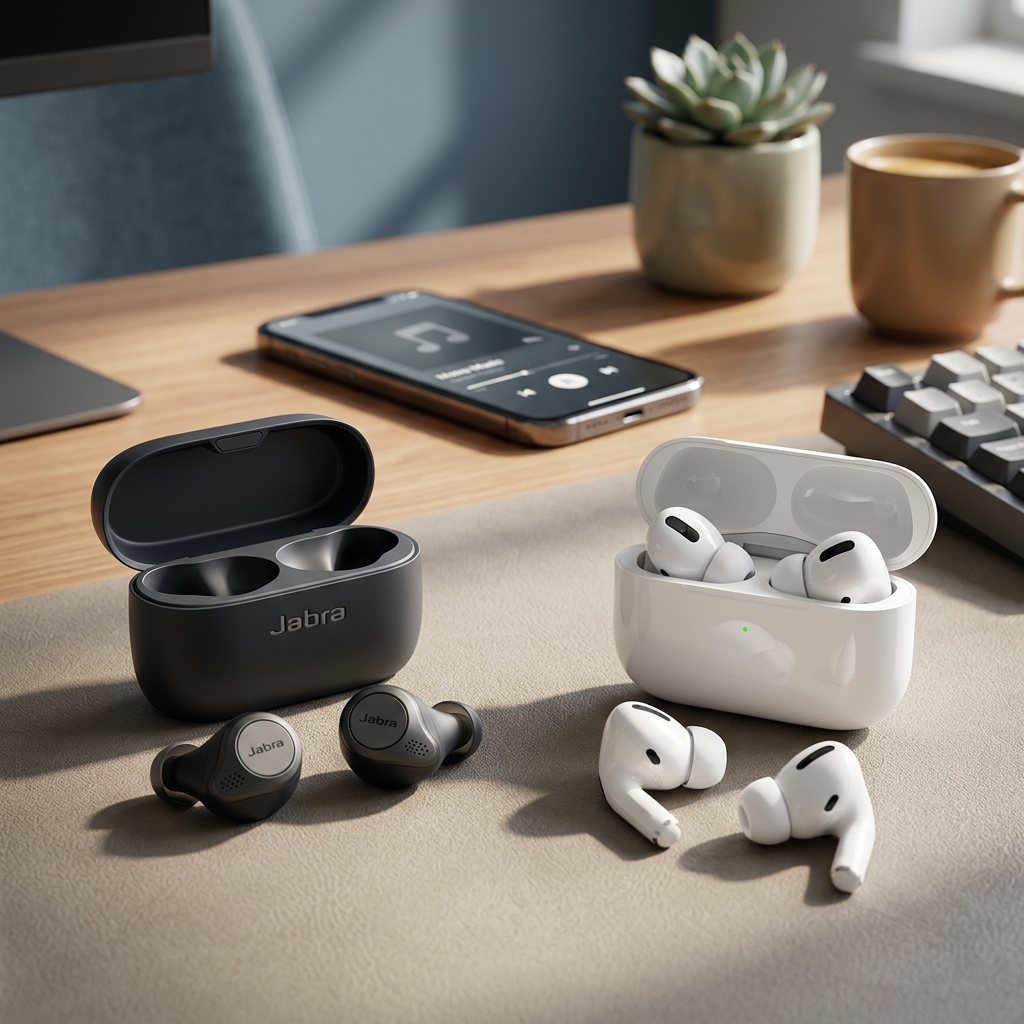
Key characteristics like frequency response, soundstage, and imaging significantly impact the mixing process. A ‘flat’ frequency response ensures you hear all frequencies accurately, while a wide soundstage helps you place instruments realistically within the mix. The rise of both over-ear and earbud options offers flexibility, whether you’re working in a professional studio or mixing on the go.
Key Features to Look for in Mixing Headphones
Frequency Response
Ideally, you want headphones with a relatively flat frequency response. This means they reproduce all frequencies at similar volumes, without boosting or cutting any particular range. ‘Colored’ headphones emphasize certain frequencies, which can be enjoyable for listening but misleading for mixing. However, some engineers prefer a *slightly* colored response they’re familiar with.
Impedance
Impedance (measured in Ohms) dictates how much power the headphones need to drive them properly. Lower impedance headphones (under 80 Ohms) are easier to drive and work well with smartphones and basic audio interfaces. Higher impedance headphones (250 Ohms or more) require a more powerful headphone amplifier to reach their full potential. Ensure your audio interface or headphone amp can adequately power your chosen headphones.
Open-back vs. Closed-back
Open-back headphones offer a wider soundstage and more natural sound, but leak sound and provide little isolation. They’re ideal for quiet mixing environments. Closed-back headphones provide excellent isolation, preventing sound leakage and external noise interference. They’re more versatile but often have a narrower soundstage.
Soundstage & Imaging
Soundstage refers to the perceived width and depth of the audio. A wider soundstage creates a more immersive experience. Imaging refers to the ability to pinpoint the location of instruments within the stereo field. Accurate imaging is essential for creating balanced and well-defined mixes.
Comfort for Long Sessions
Mixing sessions can be lengthy. Comfortable earcups, a well-padded headband, and a reasonable weight are crucial to avoid fatigue.
Build Quality/Durability
Investing in well-built headphones will save you money in the long run. Look for headphones with robust materials and a solid construction.
Top Over-Ear Headphones for Mixing (2026)
Beyerdynamic DT 770 Pro (80 Ohm) – £189.00
The DT 770 Pro remains a staple for aspiring mix engineers. Its closed-back design offers excellent isolation, making it suitable for various environments. The 80 Ohm version is easy to drive.
Pros: Excellent isolation, comfortable, durable, relatively affordable.
Cons: Can sound slightly harsh in the high frequencies, limited soundstage compared to open-back models.
Specifications: Type: Closed-back, Dynamic, Impedance: 80 Ohms, Frequency Response: 5 – 35,000 Hz
Target User: Beginners, electronic music producers, those needing isolation.
Audio-Technica ATH-M50x – £149.00
Another incredibly popular choice, the ATH-M50x offers a balanced sound signature and good build quality at a competitive price. Its folding design makes it portable.
Pros: Affordable, balanced sound, portable, durable.
Cons: Soundstage can feel narrow, some find the cable a bit flimsy.
Specifications: Type: Closed-back, Dynamic, Impedance: 38 Ohms, Frequency Response: 15 – 28,000 Hz
Target User: Beginners, podcasting, general mixing.
Sony MDR-7506 – £99.00
An industry standard for decades, the MDR-7506 is known for its accurate mid-range and durability. It’s a great entry-level option for those on a tight budget.
Pros: Very affordable, accurate mid-range, durable, widely available.
Cons: Can sound harsh in the highs, limited low-end response, build quality feels basic.
Specifications: Type: Closed-back, Dynamic, Impedance: 32 Ohms, Frequency Response: 10 – 20,000 Hz
Target User: Beginners, students, location recording.
Sennheiser HD 660S2 – £399.00
The HD 660S2 delivers a refined and detailed sound signature with a wide soundstage. It’s an open-back headphone, best suited for quiet mixing environments. Offers exceptional clarity and precision.
Pros: Exceptional sound quality, wide soundstage, comfortable, detailed.
Cons: Open-back design (sound leakage), requires a decent headphone amp.
Specifications: Type: Open-back, Dynamic, Impedance: 120 Ohms, Frequency Response: 22 – 20,000 Hz
Target User: Professionals, critical listening, classical/acoustic music.
Best Earbuds for Mixing Music on the Go (2026)
Shure Aonic 215 True Wireless Sound Isolating Earbuds – £199.00
Shure’s reputation for audio quality continues with these earbuds. The sound isolating design provides decent isolation for mixing in less-than-ideal environments.
Pros: Excellent sound isolation, good sound quality for earbuds, comfortable fit.
Cons: Smaller soundstage than over-ear headphones, battery life could be better.
Specifications: Type: True Wireless, Frequency Response: 20 Hz – 20 kHz
Target User: Mobile producers, quick edits on the go.
1More Evo – £179.00
These earbuds offer a comprehensive feature set including LDAC support for high-resolution audio. Their balanced sound signature makes them a surprisingly capable mixing tool.
Pros: Excellent sound quality, LDAC support, active noise cancellation.
Cons: Noise cancellation isn’t as effective as dedicated ANC earbuds, fit can be tricky for some.
Specifications: Type: True Wireless, Frequency Response: 20 Hz – 40 kHz
Target User: Mobile producers, those wanting high-resolution audio on the go.
Wireless vs. Wired Headphones for Mixing: Which is Better?
While Bluetooth technology has improved significantly, a stable wired connection remains the preferred choice for critical mixing. Latency issues, even with the latest low-latency codecs, can be noticeable and disruptive. Potential for audio artefacts and compression can also compromise accuracy. However, advancements in 2026’s Bluetooth codecs have narrowed the gap, making wireless a viable option for less critical tasks or when mobility is paramount. If you choose wireless, look for headphones supporting aptX Lossless or LDAC for the best possible audio quality.
Headphone Calibration & EQ for Accurate Mixing
Even the best headphones aren’t perfectly flat. Headphone calibration software like Sonarworks SoundID Reference (£79.00) can measure your headphones’ frequency response and create a custom EQ profile to compensate for any inaccuracies. This results in a more neutral and accurate listening experience. There are also various free EQ plugins available, but dedicated calibration software offers a more precise solution.
Budget-Friendly Mixing Headphones (Under £150)
Audio-Technica ATH-M20x – £49.00
A surprisingly capable entry-level option. While not as refined as the M50x, it offers a decent sound quality for the price.
Superlux HD681 – £79.00
Often praised for its open-back soundstage at a remarkably low price. Requires a headphone amplifier.
Headphone Maintenance & Longevity
To extend the life of your headphones:
- Clean them regularly with a soft, dry cloth.
- Store them in a protective case when not in use.
- Manage the cable carefully to prevent damage.
- Replace ear pads when they become worn or compressed.
Conclusion: Choosing the Right Headphones for Your Mixing Needs
Choosing the right headphones for mixing is a personal journey. Consider your budget, mixing environment, and preferred workflow. For beginners, the Audio-Technica ATH-M50x or Sony MDR-7506 offer excellent value. Professionals will benefit from the accuracy and detail of the Sennheiser HD 660S2. For on-the-go mixing, the Shure Aonic 215 offer a good balance of portability and sound quality. Don’t hesitate to try out different models if possible before making a purchase – what sounds good to one person may not sound good to another. Remember to consider headphone calibration software to achieve the most accurate and reliable mixing results.
FAQ
Q: Are open-back headphones really necessary for mixing?
Not necessarily. Closed-back headphones are more versatile. However, open-back headphones generally offer a wider soundstage and more natural sound, which can be beneficial for critical listening and mixing.
Q: Is a headphone amplifier essential?
It depends on the impedance of your headphones. Lower impedance headphones (under 80 Ohms) usually don’t require a dedicated amplifier. Higher impedance headphones (250 Ohms or more) will benefit significantly from a quality headphone amp.
Q: How important is frequency response when choosing mixing headphones?
Very important. A flat frequency response is ideal for accurate mixing, allowing you to hear all frequencies without coloration. However, a *slight* coloration that you’re familiar with can be acceptable.
Q: Can I use wireless headphones for serious mixing?
It’s becoming more viable, especially with improved Bluetooth codecs like aptX Lossless and LDAC. However, a wired connection is still generally preferred for the most critical mixing work due to lower latency and the elimination of potential artefacts.
Q: Is headphone calibration really worth the investment?
Yes, particularly if you rely heavily on headphones for mixing. Calibration software like Sonarworks SoundID Reference can correct for frequency response inaccuracies, resulting in a more neutral and accurate listening experience.