Table of Contents
Introduction: Why Headphones are Essential for Flying in 2026
Air travel in 2026 continues to see increasing passenger numbers, and with it, an increase in cabin noise. From the drone of the engines to the chatter of fellow passengers, a peaceful flight is becoming harder to achieve. Fortunately, advancements in headphone technology, particularly in noise cancellation, mean you can transform a stressful journey into a relaxing one. The latest iterations of noise cancelling technology, expected by 2026, boast improved algorithms and more powerful processors, offering even more effective sound isolation. Investing in a good pair of headphones isn’t just about enjoying your music or audiobooks; it’s about preserving your sanity and arriving at your destination feeling refreshed.
Understanding Noise Cancellation: ANC vs. PNC
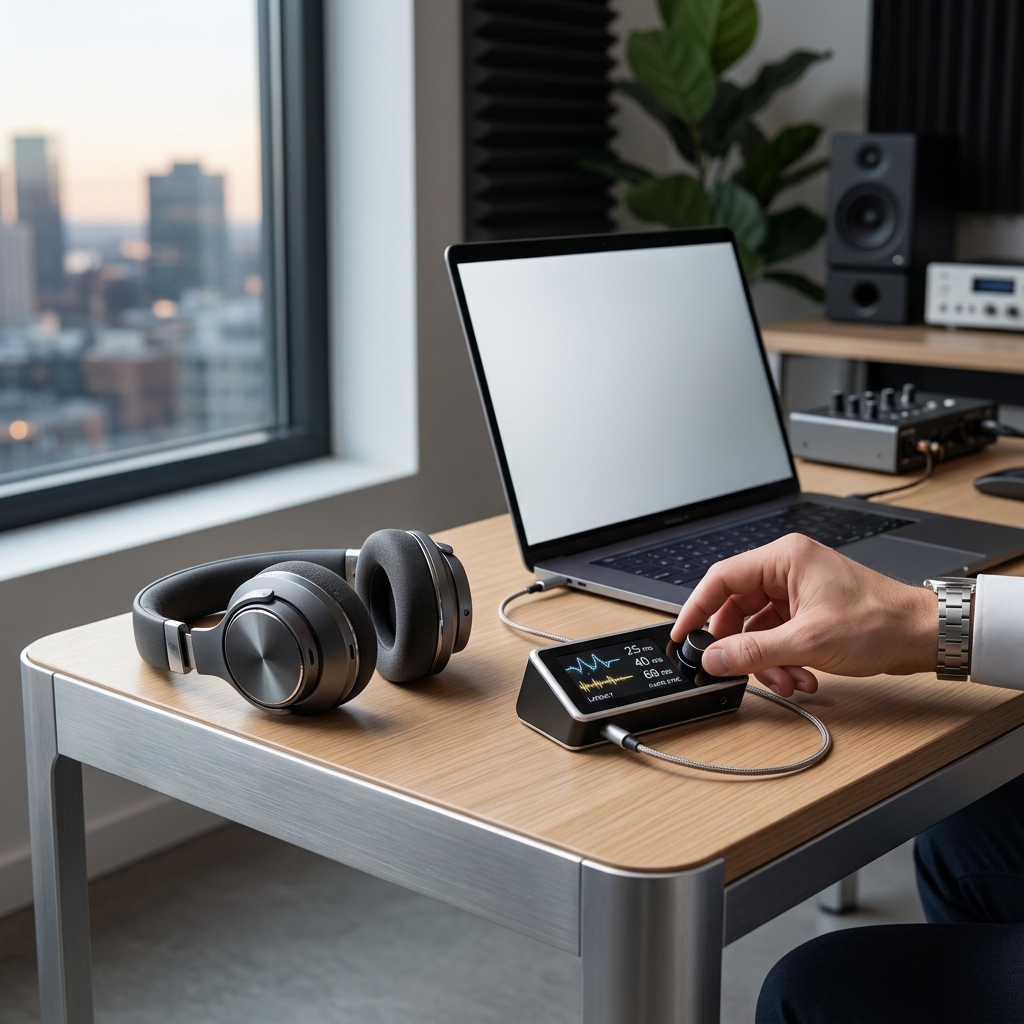
There are two primary types of noise cancellation: Active Noise Cancellation (ANC) and Passive Noise Cancellation (PNC). Understanding the difference is key to choosing the right headphones.
Active Noise Cancellation (ANC)
ANC works by using microphones to detect ambient noise and then generating an opposing sound wave to cancel it out. This is particularly effective against low-frequency, consistent sounds like engine noise. By 2026, we’re seeing hybrid ANC systems become commonplace, utilising both feedforward and feedback microphones for even greater accuracy.
Passive Noise Cancellation (PNC)
PNC relies on the physical design of the headphones to block out noise. Over-ear headphones with tightly sealed earcups offer excellent PNC, while in-ear headphones with a snug fit also contribute significantly. Materials used in construction – dense foams and sturdy plastics – play a vital role.
Which is better for airplanes? ANC is generally more effective at tackling the consistent drone of aircraft engines. However, a combination of both ANC and PNC (hybrid noise cancellation) provides the best overall noise reduction, making it the gold standard for airplane travel.
Key Features to Look for in Airplane Headphones (2026)
When selecting headphones for airplane travel in 2026, consider these crucial features:
- Noise Cancellation Strength: Look for headphones with a high ANC rating (measured in dB). Reviews and testing will be your best guide.
- Comfort: Extended wear requires comfortable earcups (memory foam is ideal) and an adjustable headband.
- Battery Life: Aim for at least 20 hours of playtime with ANC enabled. USB-C charging is now standard.
- Bluetooth Codec Support: Codecs like aptX Lossless and LDAC (if your source device supports them) deliver higher-fidelity audio wirelessly.
- Portability: Folding designs and included hard cases make headphones easier to pack.
- Transparency Mode: Allows you to hear announcements and conversations without removing your headphones.
- Multi-Point Pairing: Connect to two devices simultaneously (e.g., phone and laptop).
Top 5 Noise-Cancelling Earbuds for Airplane Travel (2026)
| Model | Price (GBP) | ANC Performance | Comfort | Battery Life (ANC On) | Pros | Cons |
|---|---|---|---|---|---|---|
| Apple AirPods Pro 3 (2026) | £280 | Excellent | Very Comfortable | 24 Hours (with case) | Seamless Apple ecosystem integration, superb sound quality, excellent ANC. | Pricey, limited customisation options. |
| Sennheiser Momentum True Wireless 4 (2026) | £250 | Very Good | Comfortable | 22 Hours (with case) | Exceptional sound quality, customisable EQ, strong ANC. | Case can be bulky. |
| Technics EAH-AZ80 (2026) | £220 | Good | Very Comfortable | 25 Hours (with case) | Excellent call quality, comfortable fit, long battery life. | ANC not quite as strong as Apple or Sennheiser. |
| Anker Soundcore Liberty 4 NC (2026) | £90 | Good | Comfortable | 16 Hours (with case) | Excellent value for money, strong ANC for the price, customisable sound. | Build quality feels less premium. |
Top 5 Over-Ear Headphones for Airplane Travel (2026)
| Model | Price (GBP) | ANC Performance | Comfort | Battery Life (ANC On) | Sound Quality | Pros | Cons |
|---|---|---|---|---|---|---|---|
| Sony WH-1000XM6 (2026 Model) | £350 | Outstanding | Excellent | 30 Hours | Exceptional | Industry-leading ANC, superb sound quality, comfortable design. | Pricey. |
| Bose QuietComfort Ultra Headphones (2026) | £380 | Outstanding | Excellent | 28 Hours | Excellent | Unrivalled comfort, excellent ANC, immersive sound. | Most expensive option. |
| JBL Tune 770NC (2026) | £80 | Good | Good | 25 Hours | Good | Affordable, good ANC for the price, lightweight. | Sound quality not as refined as premium models. |
| Skullcandy Hesh ANC (2026) | £70 | Decent | Good | 22 Hours | Good | Very affordable, stylish design, decent ANC. | Build quality could be improved. |
Wired vs. Wireless: Which is Better for Flights?
Wireless (Bluetooth) offers convenience and freedom of movement. However, Bluetooth interference is a potential concern, although less common on modern aircraft. The increasing popularity of Bluetooth 5.3 and beyond in 2026 minimizes these issues. Also, some older in-flight entertainment systems may not support Bluetooth connections.
Wired headphones provide a guaranteed connection and don’t rely on battery power. Many airlines still offer 3.5mm headphone jacks, but this is becoming less common. Adapters are available, but add another item to carry.
Our recommendation: Wireless headphones are generally preferable for their convenience, especially if your airline provides Bluetooth connectivity. However, carrying a wired pair as a backup is a wise precaution.
Budget-Friendly Options: Great Airplane Headphones Under £100 (2026)
You don’t need to spend a fortune to get decent noise cancellation for your flights. The Anker Soundcore Liberty 4 NC (£90) and JBL Tune 770NC (£80) offer good ANC performance and comfort for the price. The Skullcandy Hesh ANC (£70) is also a solid contender. Expect compromises in sound quality and build materials compared to premium options, but these headphones will significantly reduce cabin noise.
Caring for Your Headphones During Travel
Protect your investment with these tips:
- Use a Hard Case: Essential for protecting against bumps and scratches.
- Avoid Extreme Temperatures: Don’t leave your headphones in direct sunlight or a hot car.
- Clean Regularly: Wipe down earcups and the headband with a soft, damp cloth.
- Store Properly: When not in use, store headphones in a cool, dry place.
Conclusion: Finding the Right Headphones for Your Next Adventure
Choosing the best headphones for airplane travel in 2026 depends on your budget and priorities. For the ultimate noise cancellation and comfort, the Sony WH-1000XM6 (2026 Model) or Bose QuietComfort Ultra Headphones (2026) are excellent choices, despite the higher price tag. If you’re looking for a more affordable option, the Anker Soundcore Liberty 4 NC (2026) or JBL Tune 770NC (2026) provide good value for money. Remember to consider comfort, battery life, and portability when making your decision. With the right headphones, you can finally silence the skies and enjoy a peaceful flight.
FAQ
Q: Will noise-cancelling headphones completely eliminate all airplane noise?
No, no headphones can completely eliminate all noise. However, good ANC headphones can significantly reduce engine drone, cabin chatter, and other distractions, making your flight much more comfortable.
Q: Are over-ear or earbuds better for airplane noise cancellation?
Generally, over-ear headphones with good ANC and PNC tend to offer better noise isolation. However, high-end earbuds with excellent ANC can also be very effective, especially for comfort and portability.
Q: Can I use my headphones with the in-flight entertainment system?
It depends. Some airlines offer Bluetooth connectivity, allowing you to connect wirelessly. Others still have 3.5mm headphone jacks. You may need an adapter if your headphones are Bluetooth-only.
Q: How long do noise-cancelling headphones typically last?
With proper care, a good pair of noise-cancelling headphones should last 3-5 years. Battery life will degrade over time, but most manufacturers offer warranty services.